
Metro
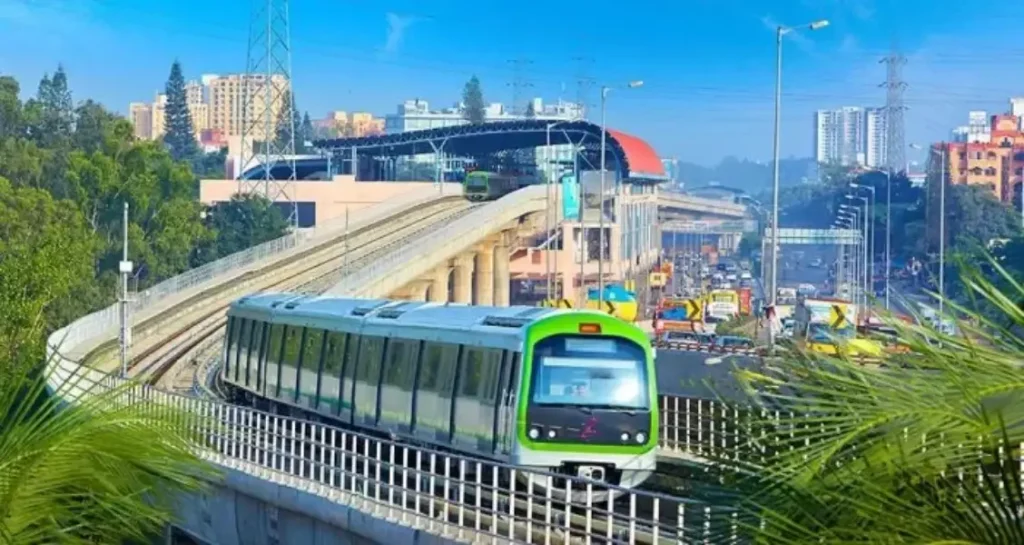
Metro systems are crucial for urban transportation in India, offering reliable and efficient travel options in rapidly growing cities like Bengaluru. The Namma Metro, also known as the Bengaluru Metro, is pivotal in improving connectivity and driving real estate growth. This article provides insights about Metro systems, examining their impact on the real estate market, key features, and recent developments that continue to shape Bengaluru’s urban landscape.
I. Comprehensive Overview of Bengaluru Metro
A. Evolution and Expansion
The Namma Metro began operations in 2011, marking the launch of South India’s first underground metro system. Since then, it has expanded to become the second-longest metro network in India, with an operational length of 73.75 kilometers. The system includes a mix of underground, at-grade, and elevated stations, connecting various parts of the city.
B. Key Operational Details
As of April 2024, the Bengaluru Metro operates 66 stations, including 57 elevated, eight underground, and one at-grade station. Trains run daily from 05:00 to 24:00, with intervals of 3–15 minutes. Initially, the trains operated with three coaches, but they have since expanded to six coaches to accommodate growing demand. The metro now handles an average daily ridership of 756,000 passengers, with a peak of 819,000 in July 2024.
C. Technological Advancements
The metro system runs on standard-gauge tracks and is powered by 750V direct current supplied through a third rail. These advancements ensure smooth, efficient, and safe operations, making the Bengaluru Metro a preferred mode of transport. The system is known for easing traffic and providing a reliable public transportation network that reduces travel time and enhances the overall quality of life in the city.
II. The Impact of Metro on Bengaluru’s Real Estate
A. Strategic Importance of Metro-Connected Properties
The Bangalore Metro real estate market has seen significant growth, particularly near metro stations. The convenience of properties near Bangalore Metro stations has driven this demand. Godrej Yeshwanthpur, located near the Goraguntepalya Metro Station on the Green Line, exemplifies the benefits of metro connectivity. This proximity is a significant advantage for residents who commute daily, offering quick and easy access to public transportation. The Goraguntepalya Metro Station is just 1.3 kilometers from Godrej Yeshwanthpur, making it an ideal choice for those who prioritize convenience.
B. Ease of Travel and Rising Demand for Real Estate Near Metro Stations
Bengaluru’s efficient metro system eases traffic and facilitates city travel, making it a critical factor in real estate marketing. The growing demand for real estate near metro stations is driven by the convenience the metro provides. Properties like Godrej Yeshwanthpur are particularly attractive because they offer residents easy access to the metro, a significant advantage in a city known for traffic congestion. This accessibility drives investment in unique residential and retail assets, further boosting demand for Bangalore Green Line Metro properties.
C. Accessibility from Key Areas
Godrej Yeshwanthpur is strategically connected to key areas of Bengaluru. The project is near major highways such as NH 4, Peenya, and NH 75, making it accessible from various parts of the city. NH 4 connects the project to western Bengaluru and beyond, offering direct routes to industrial and commercial hubs. Peenya, one of Asia’s largest industrial areas, is nearby, making it convenient for professionals. NH 75 enhances connectivity to northern Bengaluru and major employment centers. The Green Line Metro stations, including Goraguntepalya Metro Station, Peenya Industrial Area Metro Station, and Yeshwanthpur Metro Station, complement this road connectivity by offering excellent public transport options, ensuring Smooth Connectivity to the City.
D. Significance of Key Metro Stations
The Green Line Metro includes key stations vital to Bengaluru’s connectivity and the appeal of Godrej Yeshwanthpur. Each station enhances the convenience and accessibility of the project:
- Nagasandra Metro Station: This station is the starting point of the Green Line, connecting Western and northern Bengaluru to the city center, making it convenient for residents traveling to business districts.
- Peenya Industrial Area Metro Station: Located near one of Asia’s largest industrial areas, this station is crucial for professionals working in Peenya, providing a fast and reliable commute.
- Goraguntepalya Metro Station: Just 1.3 kilometers from Godrej Yeshwanthpur, this station offers residents easy access to the metro, simplifying daily commutes.
- Yeshwanthpur Metro Station: This station connects residents to major commercial areas, shopping districts, and transport hubs, enhancing overall convenience.
- Majestic Metro Station: As a major interchange, Majestic connects the Green Line with the Purple Line, allowing seamless travel across Bengaluru.
These stations not only connect Godrej Yeshwanthpur to the rest of the city but also significantly enhance property values, making the area attractive to both homebuyers and investors.
Key Metro Stations on the Green Line Metro:
- Silk Institute Metro Station (END of Green Line)
- Konanakunte Cross Metro Station
- JP Nagar Metro Station
- V Road Metro Station (Connects Yellow Line)
- Jayanagar Metro Station
- Lalbagh Metro Station
- Majestic Metro Station (Connects Purple Line)
- Sampige Road Metro Station
- Rajajinagar Metro Station
- Yeshwanthpur Metro Station
- Goraguntepalya Metro Station (Close to the Project Location)
- Peenya Industrial Area Metro Station
- Dasarahalli Metro Station
- Nagasandra Metro Station
III. Connectivity and Future Metro Developments
A. Current Connectivity Across Bengaluru
The Bengaluru Metro network provides seamless connectivity across the city, linking northern and southern Bengaluru through the Green Line. This line connects major commercial, residential, and industrial areas, making it a vital part of the city’s transportation infrastructure. Key stations include Dasarahalli, Rajajinagar, Sampige Road, and Jayanagar, each contributing to the ease of travel for thousands of daily commuters.
B. Future Expansions and Enhancements
The Bengaluru Metro is set to expand further with the introduction of new lines and extensions. The upcoming Yellow Line and extensions of the Green and Purple Lines will enhance connectivity, bringing more areas within easy reach of the metro. These developments are likely to increase demand for properties near Bangalore Metro stations, especially in areas like Sarjapur Road and East Bangalore, known for their luxury homes.
C. Enhancing Property Value and Quality of Life
Investing in metro-connected properties like Godrej Yeshwanthpur offers not only financial returns but also an improved quality of life. Metro connectivity in West Bangalore eases traffic congestion, reduces travel time, and provides a sustainable lifestyle, making Bangalore real estate investment particularly attractive in areas with strong metro connectivity.
Conclusion
The Bengaluru Metro is more than just a transportation system; it is a catalyst for urban development and a key driver of real estate growth in the city. Projects like Godrej Yeshwanthpur highlight the benefits of investing in metro-connected properties, offering residents unparalleled convenience and connectivity. As the metro network continues to expand, discussions about Metro systems and their influence on the Bangalore real estate market will grow, making it a crucial factor for investors and homebuyers to consider.
FAQs - Frequently Asked Questions
The Bengaluru Metro, also known as Namma Metro, is South India’s first underground metro system and the second-longest metro network in India. It features a mix of underground, at-grade, and elevated stations, catering to the city’s diverse topography.
The Bengaluru Metro has significantly boosted demand for properties near metro stations, particularly along the Green Line, leading to increased property values and higher investment potential.
Living near a metro station offers numerous benefits, including easy access to public transportation, reduced travel times, lower transportation costs, and an enhanced quality of life.
Future expansions, such as the upcoming Yellow Line and extensions of the Green and Purple Lines, are expected to further increase demand for properties near metro lines, driving up property values and investment potential.
Projects like Godrej Yeshwanthpur, located near the Goraguntepalya Metro Station, exemplify metro-connected residential developments that offer luxury living with excellent connectivity.